Sexual Dysfunction is one of the most underestimated health challenges.
31% of men and 41% of women experience sexual dysfunction worldwide (PubMed & BioMed).
In Canada, nearly 1 in 2 men over 40 meet criteria for ED (JAMA Network).
In the U.S., only 1 in 13 men with ED ever seek help (PubMed).
8% of men in their 20s and 11% in their 30s already show symptoms of ED (PMC).
1 in 3 women (18–59) report low sexual desire; 1 in 4 say they can’t reach orgasm (Boston University).
15 % of men with ED get a heart attack or stroke, within seven years. (Dr. Mo Khera)
Erectile Dysfunction
Overcome challenges with confidence.
Enhance your sexual experience.
Find lasting solutions today.
Desire Issues
Premature Ejaculation
Common Issues
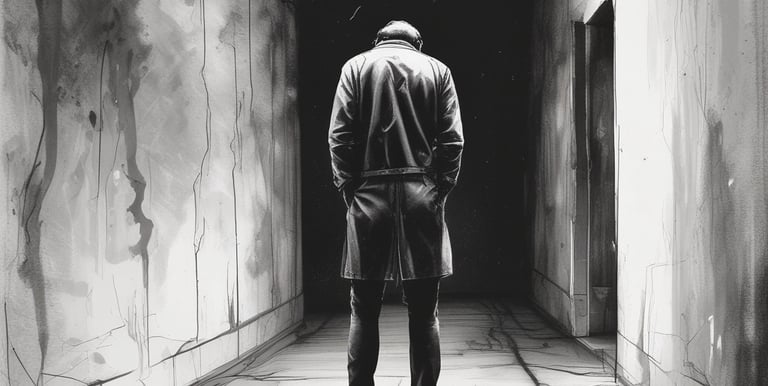



Premature Ejaculation
Reaching climax sooner than desired, leading to frustration or distress for one or both partners. It’s one of the most common male sexual concerns.
Erectile Dysfunction
Difficulty achieving or maintaining an erection. Occasional or persistent, often reflects deeper psychological factors.
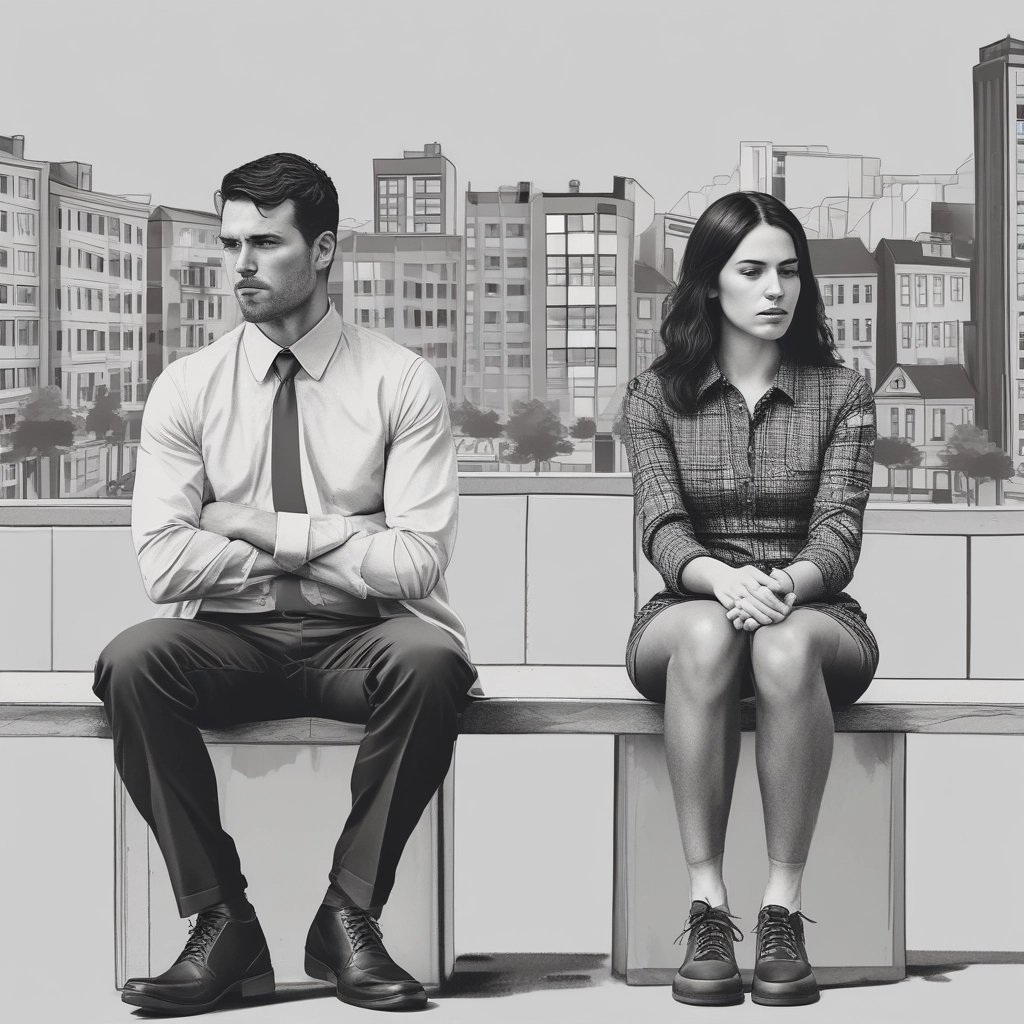



Intimacy Issues
Discomfort with touch or closeness, often rooted in past experiences or emotional barriers. Healing begins with rebuilding trust, safety, and comfort in one’s own body.
Low Sexual Desire
Reduced interest in sex. It can stem from stress, hormones, relationship dynamics, or past experiences.
Understanding is Power
When you understand your mind, you see things as they are.



Good sex explained in 9 minutes | Dr. Emily Nagoski
FAQs
What is sexual dysfunction?
Sexual dysfunction refers to ongoing problems that prevent satisfaction during sexual activity — such as difficulty with desire, arousal, performance, or comfort. It’s more common than most people think and can affect anyone at any age.
How many sessions will I need?
How does therapy help?
Are there any side effects?
Is online therapy effective?
Therapy helps uncover the emotional and psychological causes behind sexual challenges. By addressing the root issue, not just the symptom, clients often experience natural, lasting improvement.
Yes. Virtual sessions are equally effective and allow you to work in a private, comfortable space.
Each case is unique, but many clients notice meaningful change within 1–3 sessions.
After a session, it’s common to feel emotional or deeply tired, often followed by a very restful sleep. Many people also notice unexpected feelings of lightness, joy, or peace, as though something has shifted, even if they can’t quite explain it. Occasionally, a related issue may surface during the process. We can schedule an additional session to address the new issue if needed.
Is hypnosis safe?
Absolutely. You’ll enter hypnosis through a simple, guided relaxation process. While you may experience strong emotions during the session, you’ll always be fully supported in a safe and controlled environment.
Will I remember what happened?
Yes, you’ll remember everything from the session. Hypnosis doesn’t erase or alter your memories. You may see past events in a new light, with greater understanding and clarity.
What if I fall asleep?
What is my involvement during the session?
Your openness, trust, and courage are key to a successful session. I’m the guide who helps you look in the right places, but you are the explorer leading the way. As you allow your mind to naturally drift to the moments that shaped you, you open the door to new understanding and perspective.
How do I know it works, and will the results last?
Results depend on your commitment. Listening to your personalized recording daily creates noticeable and lasting change in the issue you chose to address. Skipping or stopping early may slow progress or cause old patterns to return. For complete, lasting transformation, I recommend combining hypnosis with coaching to support real lifestyle changes that align with your new mindset and identity.
Who is hypnosis not suitable for?
Hypnosis isn’t recommended for individuals with conditions such as epilepsy or schizophrenia. The use of alcohol or certain drugs can also affect the effectiveness of the session, and in some cases, repressed memories may require a different therapeutic approach. Please reach out to discuss suitable alternative options.
Do you offer any support after the session?
After your session, I will contact you periodically to see how you're doing. You may also contact me should any questions or concerns arise.
It’s unlikely you’ll fall asleep because even in deep relaxation, you’ll still be able to hear my voice. Please do your best to be well-rested before your session, your participation helps ensure the best possible results of the session.
What if I don't want to talk about it?
That’s completely okay. You don’t have to talk about anything you’re not ready to share. We can still work effectively by adjusting how the hypnosis session is conducted. While the process may take a little longer, meaningful change is still absolutely possible as long as you’re open to reviewing what happened internally, even without describing it out loud. Your active participation, willingness, and openness are what truly matter.
Get in touch
contact@annachin.co
© 2025. All rights reserved.
Therapy and coaching are not intended to diagnose, treat, or replace medical or psychiatric care. Clients are advised to consult and follow their licensed healthcare provider’s instructions.